

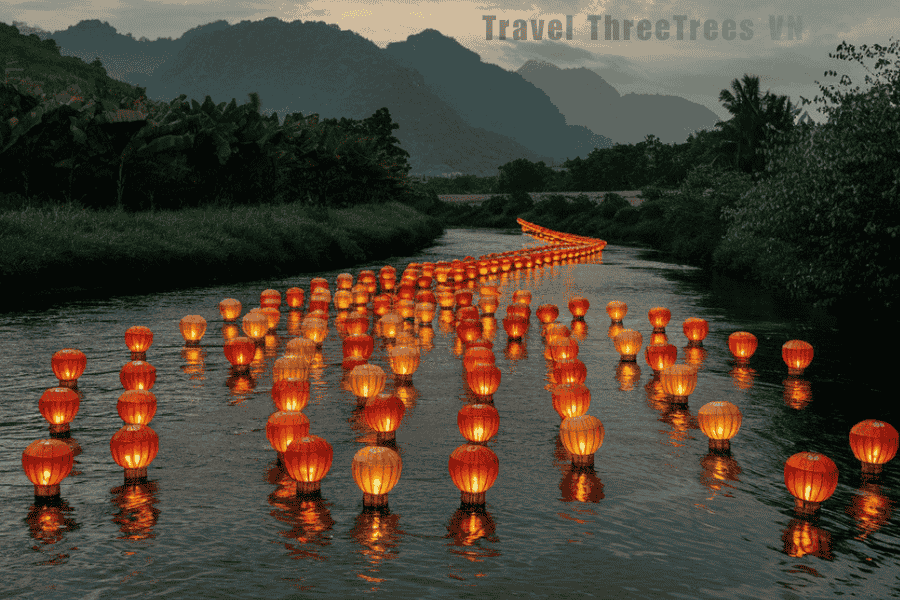
Vietnam has emerged as one of Southeast Asia’s most captivating destinations, offering travelers an intoxicating blend of natural beauty, rich history, and vibrant culture. When planning your Vietnamese adventure, understanding the concept of travel threetrees vn can transform an ordinary trip into an extraordinary journey through this mesmerizing country. This comprehensive guide will walk you through everything you need to know about experiencing Vietnam’s most authentic and unforgettable moments, from the misty mountains of the north to the lush Mekong Delta in the south.
Understanding the Essence of Travel ThreeTrees VN
The philosophy behind travel threetrees vn centers on three fundamental pillars that define authentic Vietnamese exploration: natural landscapes, cultural immersion, and sustainable tourism practices. These three interconnected elements form the foundation of meaningful travel experiences throughout Vietnam. The country’s diverse geography spans over 1,600 kilometers from north to south, encompassing pristine beaches, terraced rice fields, limestone karsts, and dense jungles. Each region offers distinct characteristics that appeal to different types of travelers, whether you’re seeking adventure, relaxation, or cultural enlightenment.
Vietnam’s tourism infrastructure has developed significantly over the past decade, making it increasingly accessible to international visitors while maintaining its authentic charm. The balance between modernization and tradition creates unique opportunities for travelers to witness ancient customs alongside contemporary Vietnamese life. Understanding this duality is essential when planning your itinerary through travel threetrees vn principles.
Regional Destinations Worth Exploring
Northern Vietnam: Mountains and Heritage
Northern Vietnam captivates visitors with its dramatic mountainous terrain and ethnic minority villages. Hanoi, the capital city, serves as the gateway to this region, offering French colonial architecture, bustling street food markets, and the serene Hoan Kiem Lake. Beyond the city limits, Sapa’s terraced rice paddies cascade down mountainsides, creating one of Asia’s most photographed landscapes. The journey to Ha Giang Loop presents adventurous travelers with winding mountain roads and authentic hill tribe encounters that embody the travel threetrees vn experience.
| Northern Highlights | Best Time to Visit | Duration Recommended |
|---|---|---|
| Hanoi Old Quarter | September – November | 2-3 days |
| Ha Long Bay | March – May | 2 days |
| Sapa Rice Terraces | September – October | 3-4 days |
| Ha Giang Loop | October – November | 4-5 days |
Central Vietnam: Coastal Beauty and Ancient Towns
Central Vietnam represents the country’s historical heart, where ancient trading ports meet stunning coastal scenery. Hue’s Imperial City stands as testimony to Vietnam’s royal past, with elaborate palaces and tombs scattered throughout the former capital. Hoi An’s UNESCO World Heritage-listed Ancient Town enchants visitors with lantern-lit streets, tailor shops, and riverside cafes. The marble mountains near Da Nang offer cave temples and panoramic coastal views, while the Hai Van Pass provides one of Vietnam’s most scenic drives, perfectly illustrating what travel threetrees vn aims to showcase.
| Central Highlights | Key Attractions | Travel Tips |
|---|---|---|
| Hue | Imperial City, Royal Tombs | Rent bicycle for temples |
| Hoi An | Ancient Town, Beach | Stay 3-4 nights minimum |
| Da Nang | Marble Mountains, Beaches | Base for regional exploration |
| Phong Nha | Cave Systems | Book tours in advance |
Southern Vietnam: Delta Life and Urban Energy
Southern Vietnam pulses with energy, from Ho Chi Minh City’s skyscrapers to the Mekong Delta’s floating markets. The delta region exemplifies traditional Vietnamese river life, where communities have lived on and around water for generations. Visiting floating markets at dawn reveals the authentic rhythms of delta commerce, as vendors sell produce from boats laden with tropical fruits and vegetables. The Cu Chi Tunnels near Ho Chi Minh City provide historical context about Vietnam’s resilience, while the coastal town of Mui Ne offers red sand dunes and kitesurfing opportunities that diversify the travel threetrees vn portfolio.
Practical Planning for Your Vietnamese Journey
Transportation Options Across Vietnam
Navigating Vietnam requires understanding the various transportation methods available. Domestic flights connect major cities efficiently, with carriers like Vietnam Airlines, VietJet, and Bamboo Airways offering competitive prices. Overnight trains provide comfortable sleeper options between Hanoi, Hue, Da Nang, and Ho Chi Minh City, turning travel time into accommodation savings. Buses ranging from basic to luxury class serve smaller destinations, though quality varies significantly between operators. Motorbike rentals appeal to adventurous travelers comfortable with chaotic traffic, while private drivers with vehicles offer comfort and flexibility for those prioritizing convenience in their travel threetrees vn experience.
Accommodation Choices for Every Budget
Vietnam’s accommodation spectrum spans from budget hostels to luxury resorts, ensuring options for every traveler. Budget travelers find excellent value in family-run guesthouses and hostels, typically ranging from five to fifteen dollars per night. Mid-range hotels offer air conditioning, private bathrooms, and breakfast for twenty-five to fifty dollars. Boutique hotels in heritage buildings provide character and charm, particularly in Hoi An and Hanoi’s Old Quarter. Beach resorts along the coast cater to luxury seekers with pools, spas, and ocean views. Homestays in rural areas offer the most authentic cultural immersion, allowing guests to participate in daily activities like rice farming or traditional cooking.
| Accommodation Type | Price Range (USD) | Best For | Booking Advice |
|---|---|---|---|
| Hostels/Guesthouses | $5-15 | Solo travelers, backpackers | Book day-of in off-season |
| Mid-range Hotels | $25-50 | Couples, comfort seekers | Book 1 week ahead |
| Boutique Properties | $50-100 | Special occasions | Reserve 2-3 weeks early |
| Luxury Resorts | $100+ | Honeymoons, relaxation | Book months in advance |
Cultural Experiences and Local Interactions
Engaging authentically with Vietnamese culture transforms travel from superficial sightseeing into meaningful connection. Learning basic Vietnamese phrases demonstrates respect and opens doors to warmer interactions with locals. The Vietnamese appreciate efforts to understand their customs, such as removing shoes before entering homes, using both hands when giving or receiving items, and dressing modestly when visiting temples. Street food exploration offers delicious and affordable meals while observing local dining customs, where sharing dishes family-style is standard practice.
Participating in cooking classes provides hands-on cultural education, teaching you to prepare iconic dishes like pho, banh mi, or fresh spring rolls using ingredients from local markets. These experiences align perfectly with travel threetrees vn philosophy by connecting travelers directly with Vietnamese culinary traditions. Coffee culture runs deep in Vietnam, the world’s second-largest coffee exporter, where strong, sweet ca phe sua da (iced coffee with condensed milk) fuels both morning commutes and afternoon social gatherings.
Sustainable Travel Practices in Vietnam
Responsible tourism ensures Vietnam’s natural and cultural treasures remain intact for future generations. Supporting locally-owned businesses, restaurants, and tour operators keeps tourism revenue within communities rather than flowing to international corporations. Minimizing plastic use addresses Vietnam’s environmental challenges, as single-use plastics plague many tourist areas. Carrying a reusable water bottle, shopping bags, and metal straws reduces your environmental footprint significantly.
Respecting wildlife by avoiding attractions that exploit animals demonstrates ethical travel choices aligned with travel threetrees vn values. Elephant rides, bear bile farms, and performing animal shows cause suffering despite tourist appeal. Instead, seek sanctuaries focused on conservation and rehabilitation. When trekking or visiting rural areas, hiring local guides ensures communities benefit economically while providing you with authentic insights impossible to gain otherwise.
Seasonal Considerations and Weather Patterns
Vietnam’s geography creates distinct climate zones requiring careful timing for optimal experiences. Northern Vietnam experiences four seasons, with cool winters from November to February and hot, humid summers from May to August. Central Vietnam’s dry season runs from February to July, while the rainy season brings heavy downpours from August to January. Southern Vietnam maintains warm temperatures year-round, with the dry season from December to April offering the most pleasant conditions for beach activities and exploration.
Understanding these patterns helps maximize your travel threetrees vn adventure by avoiding monsoon disruptions and extreme heat. September to November generally provides the best overall conditions across most regions, with comfortable temperatures and minimal rainfall. However, shoulder seasons often mean fewer tourists and better prices, making them attractive for budget-conscious travelers willing to accept occasional weather challenges.
Essential Travel Tips for First-Time Visitors
Obtaining your Vietnamese visa requires advance planning, as most nationalities need approval before arrival. The e-visa system simplifies the process for many countries, allowing online applications processed within three business days. Currency exchange works best at official banks or ATMs rather than airport kiosks, where rates are significantly worse. The Vietnamese Dong comes in large denominations, so familiarize yourself with the currency to avoid confusion during transactions.
Bargaining is expected at markets and with street vendors, though fixed prices apply at restaurants and shops. Start by offering fifty to sixty percent of the initial asking price and negotiate toward a middle ground acceptable to both parties. Travel insurance provides peace of mind for medical emergencies, trip cancellations, or lost belongings. Comprehensive policies covering adventure activities like motorbiking or diving cost slightly more but prove invaluable if problems arise during your travel threetrees vn journey.
Culinary Adventures Throughout Vietnam
Vietnamese cuisine ranks among the world’s healthiest and most diverse, with regional specialties reflecting local ingredients and cultural influences. Northern cuisine tends toward subtle flavors with less sugar and spice, featuring dishes like bun cha and cha ca. Central Vietnamese food embraces bold, complex flavors with more chili heat, exemplified by Hue’s royal cuisine and Hoi An’s cao lau noodles. Southern cooking incorporates more coconut milk and sugar, creating sweeter profiles in dishes like hu tieu and banh xeo.
Street food offers the most authentic and affordable culinary experiences, where sidewalk plastic stools serve as dining furniture for incredible meals costing just a few dollars. Food safety concerns diminish when choosing busy stalls with high turnover, ensuring fresh ingredients. Vegetarians find excellent options throughout Vietnam, as Buddhist influence means many restaurants offer vegetarian versions of popular dishes. The phrase “an chay” (vegetarian food) helps identify suitable establishments supporting your dietary preferences during travel threetrees vn exploration.
FAQs
Q: What is Travel ThreeTrees VN?
A: It’s a travel philosophy promoting authentic, sustainable, and cultural exploration across Vietnam.
Q: Why is Travel ThreeTrees VN unique?
A: It blends natural beauty, cultural immersion, and eco-conscious travel for meaningful journeys.
Q: What are Vietnam’s top Travel ThreeTrees VN spots?
A: Must-visits include Ha Giang Loop, Hoi An, Hue, and the Mekong Delta.
Q: How can travelers practice sustainability in Vietnam?
A: Choose local guides, avoid single-use plastics, and support community-based tourism.
Q: When is the best time to explore Vietnam with Travel ThreeTrees VN?
A: September to November offers ideal weather for both northern and southern adventures.
Conclusion
Vietnam rewards travelers who approach it with curiosity, flexibility, and respect. The country’s rapid development coexists with ancient traditions, creating dynamic contrasts at every turn. Whether you’re exploring limestone caves, learning traditional crafts from artisans, or simply watching life unfold from a cafe, Vietnam offers endless opportunities for discovery. The travel threetrees vn approach emphasizes quality over quantity, encouraging deeper engagement with places and people rather than rushed checklist tourism. By embracing this philosophy, your Vietnamese journey becomes more than a vacation it transforms into a meaningful adventure that stays with you long after returning home. Vietnam’s beauty lies not just in its spectacular landscapes or delicious food, but in the warmth and resilience of its people, making every encounter a chance to understand this remarkable country more fully.
