

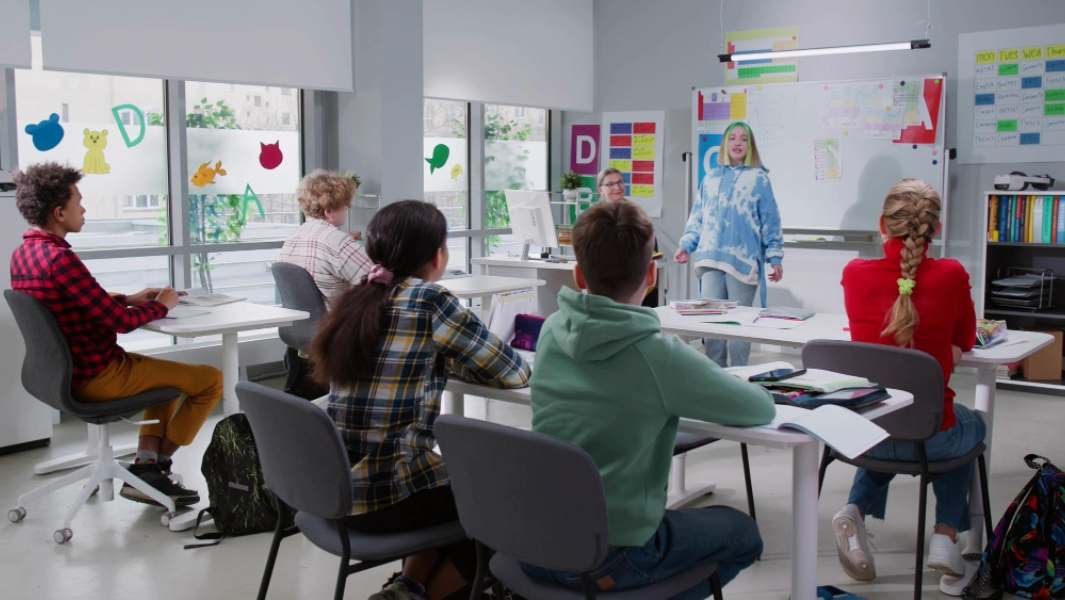
Imagine a classroom where students are not just passive recipients of knowledge, but active participants in their learning journey. This is the essence of Sosoactive Education—a dynamic approach that transforms traditional teaching into an engaging experience. As educators look for innovative ways to connect with students and enhance their learning potential, Sosoactive Education stands out as a beacon of creativity and effectiveness.
In today’s fast-paced world, it’s crucial to equip learners with skills that go beyond memorization. Sosoactive Education fosters collaboration, critical thinking, and real-world problem-solving abilities. It breaks down barriers between subjects and encourages exploration through hands-on activities that resonate with diverse learning styles.
Join us on this enlightening journey as we uncover what makes Sosoactive Education such a powerful tool in modern classrooms. Discover its benefits, hear success stories from schools embracing this method, and explore how it can reshape the future of education for generations to come.
What is Sosoactive Education?
Sosoactive Education is an innovative teaching approach that places students at the center of their learning experience. It emphasizes active participation and collaboration, allowing learners to engage with content in meaningful ways.
This method combines various strategies such as cooperative learning, project-based activities, and experiential exercises. By doing so, it encourages critical thinking and creativity among students.
In Sosoactive classrooms, traditional lectures are replaced with interactive discussions and hands-on projects. This fosters a sense of community where students learn from one another while developing essential skills for future success.
Teachers serve as facilitators rather than mere instructors. They guide conversations, pose thought-provoking questions, and provide support tailored to individual student needs.
The ultimate goal is to create a stimulating environment that inspires curiosity and drives intrinsic motivation for lifelong learning.
The Benefits of Sosoactive Learning
Sosoactive learning reshapes the educational landscape by placing students at the heart of their own discovery. This approach encourages active participation, making lessons more engaging and memorable.
Students develop critical thinking skills as they collaborate with peers. They learn not just from teachers but also from each other, fostering a deeper understanding of concepts.
Another benefit lies in adaptability. Sosoactive education caters to diverse learning styles, accommodating visual learners alongside those who thrive through auditory methods or hands-on experiences.
By promoting autonomy, this method empowers students to take ownership of their education. When they feel responsible for their learning journey, motivation often soars.
Moreover, sosoactive environments cultivate social skills too. As students work together on projects and share ideas, they build essential communication abilities that will serve them beyond the classroom walls.
Incorporating Sosoactive Education in Traditional Classrooms
Integrating Sosoactive Education into traditional classrooms requires a shift in mindset. Teachers can start by creating interactive spaces that encourage collaboration among students. This fosters communication and enhances social skills.
Utilizing technology plays a crucial role too. Interactive tools, such as tablets or smartboards, can facilitate engaging activities. These resources help bring lessons to life, making learning more dynamic.
Group projects are an effective way to promote Sosoactive principles. Students work together to solve problems or create presentations, allowing them to learn from one another and share diverse perspectives.
Incorporating real-world scenarios is also beneficial. By relating lessons to everyday experiences, educators can make learning relevant and exciting for their students.
Ongoing professional development is key for teachers adopting this approach. Training sessions focused on Sosoactive strategies ensure they feel confident in implementing these innovative techniques within their curriculum.
Success Stories from Schools using Sosoactive Learning
Schools around the world have begun to embrace Sosoactive Education, and the results are impressive. A middle school in California transformed its curriculum by integrating this approach. Students reported increased engagement and enthusiasm for learning.
In another example, a high school in New York implemented Sosoactive methods during math classes. Teachers noticed improved problem-solving skills and collaboration among students. This shift not only enhanced understanding but fostered a supportive classroom community.
Moreover, an elementary school in Texas utilized Sosoactive strategies during reading sessions. Children became more active participants when discussing stories, leading to deeper comprehension and critical thinking.
These success stories illustrate how embracing innovative educational practices can lead to remarkable changes within classrooms. The excitement is palpable as educators witness their students thrive under this new model of learning.
Challenges and Solutions for Implementing Sosoactive Education
Implementing Sosoactive Education can bring its own set of challenges. One significant hurdle is the resistance to change from traditional teaching methods. Educators accustomed to conventional approaches may hesitate to embrace this new paradigm.
Another challenge lies in resource availability. Schools often face budget constraints that limit access to technology and training necessary for effective implementation.
To address these issues, professional development programs are essential. Training sessions can equip teachers with the tools they need while fostering a supportive community around Sosoactive practices.
Additionally, leveraging existing resources creatively can make a difference. Teachers can use free online platforms or collaborate with local organizations for support.
Creating an open dialogue among educators fosters understanding and encourages experimentation within classrooms, promoting a culture of innovation without fear of failure.
The Future of Education: How Sosoactive Learning can Transform the Classroom
The future of education is rapidly evolving, and Sosoactive Learning stands at the forefront of this transformation. By prioritizing engagement and interaction, it reshapes how students experience learning.
Imagine classrooms buzzing with collaboration. Students no longer sit passively; they become active participants in their educational journeys. This fosters critical thinking skills and ignites a passion for discovery.
Technology plays a pivotal role in enhancing Sosoactive Education. Interactive tools enable real-time feedback, making lessons more dynamic and tailored to individual needs.
Educators are also benefiting from this approach. With increased student motivation comes enhanced classroom management, allowing teachers to focus on fostering creativity rather than wrangling attention spans.
As we look ahead, integrating Sosoactive practices could redefine success metrics in education—shifting from rote memorization to holistic understanding and application of knowledge. The possibilities are limitless when students actively engage with what they learn.
Conclusion: Empowering Students through Sosoactive Education
Empowering Students through Sosoactive Education
Sosoactive Education holds immense promise for the future of learning. By fostering an environment that encourages collaboration, critical thinking, and creativity, this approach meets students where they are. It transforms traditional classrooms into dynamic hubs of engagement tailored to individual needs.
As educators embrace Sosoactive Learning, they unlock the potential within each student. This method inspires a love for learning that transcends textbooks and tests. Instead of passive reception of information, students become active participants in their educational journey.
The shift towards Sosoactive Education is not just a trend; it’s a movement aimed at equipping learners with the skills essential for success in an ever-evolving world. As we witness its integration in schools across various regions, it’s clear that this innovative model can reshape how knowledge is imparted.
In fostering environments rich in interaction and inquiry, we prepare our youth for challenges ahead. The commitment to embracing Sosoactive methods demonstrates confidence in our students’ abilities to thrive—not only academically but also as engaged citizens ready to make meaningful contributions to society.
Empowerment through education isn’t merely about grades or achievements; it’s about cultivating curious minds equipped with tools to navigate life beyond school walls. With every step taken toward implementing Sosoactive practices, we move closer to realizing a brighter future filled with possibilities for all learners.
