

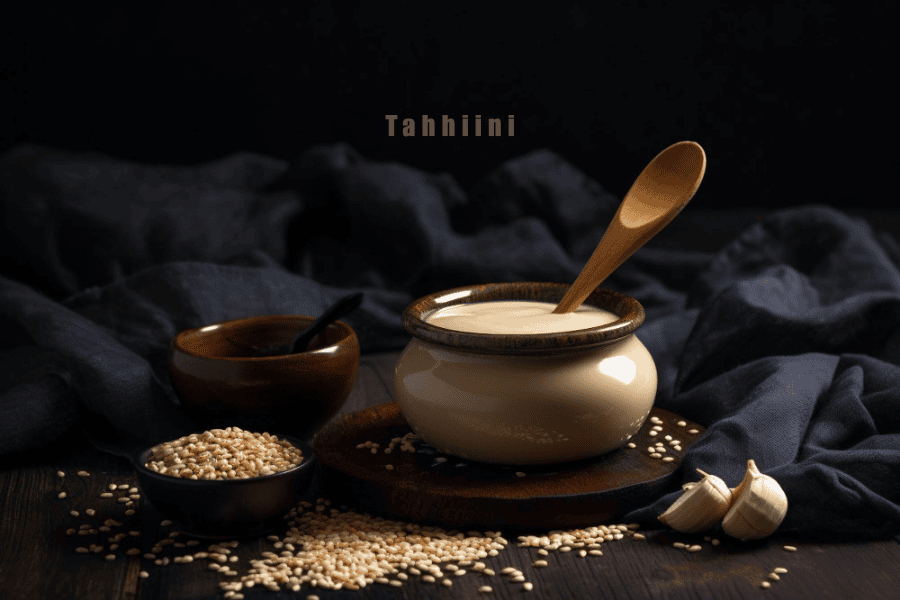
Tahhiini, a creamy paste made from finely ground sesame seeds, has become a beloved ingredient across the world for its nutty flavor and smooth texture. Whether it’s spread on warm pita bread, whisked into salad dressings, or blended into hummus, tahhiini has earned its place as a kitchen essential. This golden-beige condiment is rich in flavor, history, and nutrition, making it more than just a food trend it’s a culinary tradition with centuries of culture behind it.
What Is Tahhiini and Why Is It So Popular?
Tahhiini, often known as the “liquid gold” of Middle Eastern cuisine, is made by grinding hulled sesame seeds into a smooth paste. The result is a versatile ingredient that adds depth to both savory and sweet dishes. It is used in Mediterranean, North African, and Asian cuisines, valued for its ability to balance flavors and enhance textures.
| Nutrient | Amount (per 2 tbsp of tahhiini) | % Daily Value |
|---|---|---|
| Calories | 178 kcal | 9 % |
| Protein | 5 g | 10 % |
| Fat | 16 g | 24 % |
| Carbohydrates | 3 g | 1 % |
| Calcium | 130 mg | 13 % |
| Iron | 2.5 mg | 14 % |
As shown in the table, it provides essential minerals such as calcium and iron, which contribute to bone health and energy levels. These nutrients, combined with healthy fats, make it an excellent addition to a balanced diet.
The Origins and Cultural Journey of Tahhiini
The roots of tahhiini date back thousands of years. It is believed to have originated in ancient Persia and later spread throughout the Mediterranean and Middle East. Historical records suggest that it was prized for its nutritional value and ease of storage a vital food for travelers and traders crossing deserts.
From there, this made its way into global cuisine. Today, chefs from Japan to Mexico use it as a base for sauces, desserts, and even smoothies. The cultural journey illustrates how food can transcend borders, bringing people together through shared flavors and traditions.
How Tahhiini Is Made: From Seed to Spoon
The process of making tahhiini may appear simple, but quality depends on precision and care. The best comes from freshly roasted, hulled sesame seeds.
-
Cleaning and Hulling: Sesame seeds are cleaned and their outer shells removed to achieve a smooth texture.
-
Roasting: The seeds are lightly roasted to release their natural oils and enhance the nutty aroma.
-
Grinding: The roasted seeds are ground using stone mills or modern grinders until a silky consistency forms.
-
Packaging: The paste is packed in jars, ready for culinary use.
| Step | Description | Purpose |
|---|---|---|
| Cleaning | Removes impurities | Ensures purity |
| Roasting | Enhances aroma | Improves flavor |
| Grinding | Creates smooth paste | Determines texture |
| Packaging | Preserves freshness | Ensures longevity |
Every jar you buy carries this journey within it from the humble sesame seed to the final creamy delight.
The Health Benefits of Tahhiini
Tahhiini is more than a flavorful ingredient; it’s also a powerhouse of nutrition. Rich in unsaturated fats, plant protein, and minerals, it provides numerous health benefits.
Heart Health and Cholesterol Management
The healthy fats primarily monounsaturated and polyunsaturated can help lower bad cholesterol (LDL) levels and increase good cholesterol (HDL). Regular consumption in moderate amounts contributes to cardiovascular health.
Bone and Muscle Strength
Because tahhiini contains calcium, magnesium, and phosphorus, it helps maintain strong bones and muscle function. Athletes and vegetarians often include it in their diets to meet their mineral requirements.
Antioxidants and Immune Support
Tahhiini also contains lignans, natural plant compounds that act as antioxidants. These compounds reduce oxidative stress, support liver function, and strengthen the immune system.
Culinary Uses of Tahhiini Around the World
Tahhiini’s versatility allows it to shine in a variety of dishes, from traditional Middle Eastern recipes to innovative global fusions.
Tahhiini in the Middle East
In its homeland, tahhiini is often mixed with lemon juice, garlic, and water to create a smooth sauce for falafel, kebabs, and shawarma. It’s also used in desserts such as halva a sweet confection with a crumbly texture and nutty taste.
Tahhiini in Modern Western Cuisine
Western chefs have embraced tahhiini for its creamy texture and mild flavor. It’s often used as a vegan substitute for dairy in dressings and desserts. Popular creations include tahhiini-chocolate brownies, salad dressings, and even milkshakes.
Asian Inspirations with Tahhiini
Although in Middle Eastern, it blends beautifully with Asian flavors. It complements soy sauce, ginger, and chili in noodle dishes or can replace peanut butter in satay sauces for those with nut allergies.
| Cuisine | Common Use of Tahhiini | Dish Example |
|---|---|---|
| Middle Eastern | Sauce for meats and dips | Hummus, Baba Ghanoush |
| Western | Vegan substitute in desserts | Tahhiini Brownies |
| Asian | Base for sauces | Tahhiini Noodles |
Easy Recipes Using Tahhiini
Here are a few simple ways to incorporate into your meals at home:
1. Tahhiini Salad Dressing
Whisk together, olive oil, lemon juice, garlic, and a pinch of salt. Pour it over roasted vegetables or green salads for a creamy finish.
2. Tahhiini Smoothie
Blend with banana, dates, and almond milk for a protein-packed breakfast smoothie.
3. Tahhiini Sauce for Grilled Meats
Combine with yogurt, cumin, and parsley to make a refreshing dip for grilled chicken or lamb.
4. Tahhiini Cookies
Mix with honey, flour, and baking powder to create melt-in-your-mouth cookies that taste both nutty and sweet.
Comparing Tahhiini with Other Nut and Seed Butters
| Feature | Tahhiini | Peanut Butter | Almond Butter |
|---|---|---|---|
| Base Ingredient | Sesame Seeds | Peanuts | Almonds |
| Flavor | Nutty & Earthy | Sweet & Salty | Mild & Nutty |
| Fat Content | Healthy Unsaturated Fats | Higher in Saturated Fats | Rich in Vitamin E |
| Common Use | Sauces & Dressings | Sandwich Spreads | Smoothies & Snacks |
| Allergen Concern | Sesame Allergy Rare | Peanut Allergy Common | Tree Nut Allergy Common |
As this comparison shows, tahhiini offers a unique nutritional profile and is often a safer alternative for individuals avoiding nuts. It also provides a more complex flavor suited for both sweet and savory recipes.
Storage and Shelf Life of Tahhiini
Tahhiini has a long shelf life when stored properly. Unopened jars can last for months in a cool, dark pantry. Once opened, it should be stirred well and kept tightly sealed to prevent separation.
| Storage Condition | Shelf Life | Tips |
|---|---|---|
| Unopened (Jar) | 6–12 Months | Store in a cool, dry place |
| Opened (Jar) | Up to 6 Months | Stir before use to avoid oil separation |
| Refrigerated | 8–12 Months | Best option for extended freshness |
Keeping tahhiini refrigerated after opening ensures that it stays smooth and flavorful for months.
The Environmental Impact of Tahhiini
Tahhiini production has a smaller environmental footprint compared to nut-based butters like almond butter. Sesame plants require less water and thrive in arid climates, making them a sustainable choice. Moreover, sesame seeds are often grown without intensive chemical use, supporting eco-friendly agricultural practices.
By choosing, consumers not only enjoy a flavorful ingredient but also make a small yet meaningful step toward sustainable food consumption.
FAQs
Q: What is tahhiini made from?
A: Tahhiini is made by grinding roasted sesame seeds into a smooth, nutty paste.
Q: Is tahhiini healthy?
A: Yes, it’s rich in healthy fats, protein, calcium, and antioxidants that support heart and bone health.
Q: How should I store tahhiini?
A: Keep it in a cool, dry place or refrigerate after opening to maintain freshness and prevent oil separation.
Q: Can tahhiini be used in desserts?
A: Absolutely! Tahhiini adds a creamy, nutty flavor to brownies, cookies, and smoothies.
Q: Is tahhiini vegan and gluten-free?
A: Yes, tahhiini is naturally vegan, gluten-free, and suitable for most dietary preferences.
Conclusion
Tahhiini isn’t just a condiment it’s a bridge between cultures, flavors, and traditions. Its smooth texture, earthy flavor, and impressive nutritional profile make it a staple worth adding to your pantry. From classic hummus to creative desserts, it enhances every dish it touches. As more people embrace global flavors, this ancient paste continues to inspire modern cooking.
So the next time you’re reaching for a spread, sauce, or dip, consider it the timeless ingredient that connects ancient traditions with today’s culinary innovation.
