

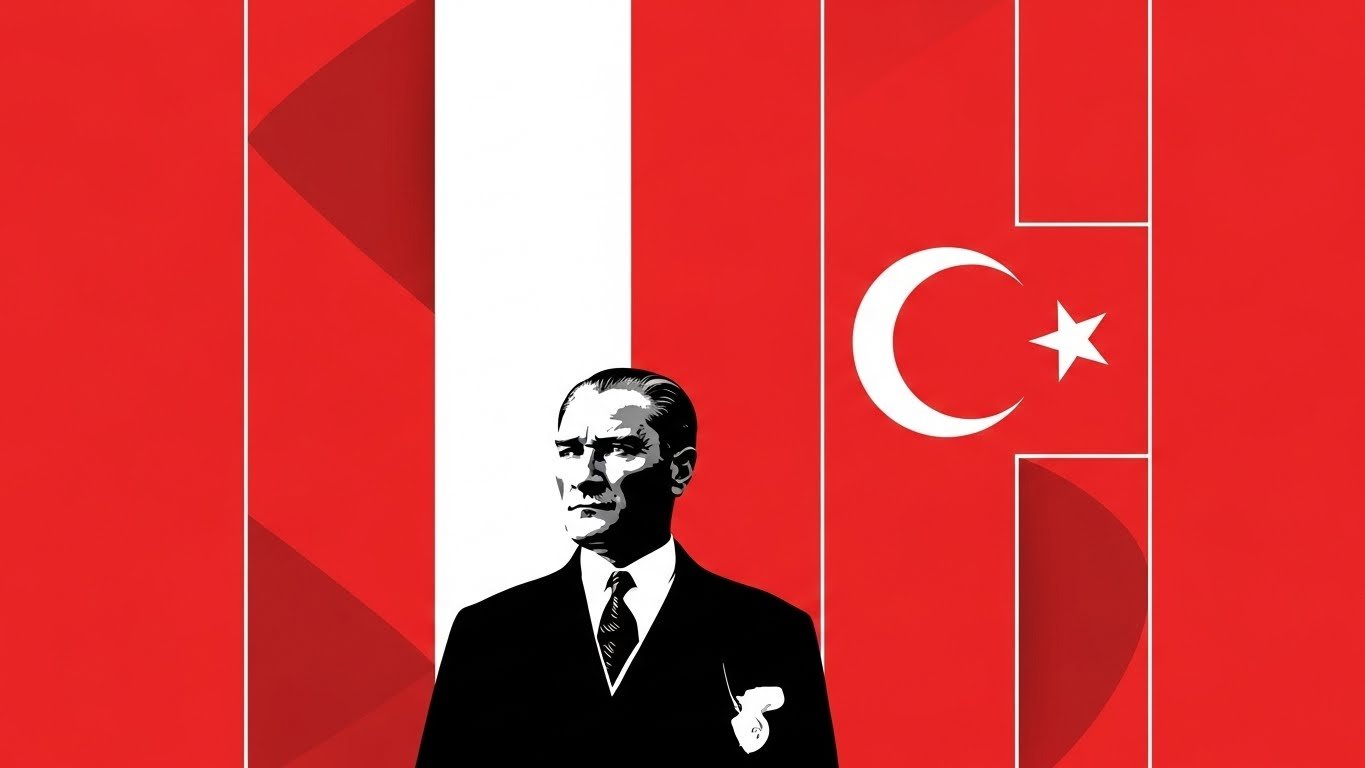
National identity is a powerful concept. It shapes who we are and how we see ourselves in the world. In Turkey, this idea took on a profound meaning with the establishment of Cumhuriyet, or the Republic, in 1923. This pivotal moment marked not just a political transformation but also an evolution in culture, society, and collective consciousness.
The birth of Cumhuriyet was more than simply declaring independence; it was about forging a new identity after centuries of imperial rule. As discussions around national pride and unity grew louder through the years, so did reflections on what it means to be Turkish today.
Join us as we explore the rich tapestry woven by these historical events and figures that have left an indelible mark on Turkish identity. From Mustafa Kemal Atatürk’s visionary leadership to modern challenges faced by society, let’s dive into how Cumhuriyet has influenced contemporary Turkey and its people.
The history and formation of the Republic of Turkey
The history of the Republic of Turkey is a tale of transformation. It began in the aftermath of World War I, when the Ottoman Empire faced disintegration. The war left a power vacuum and rising nationalism among various ethnic groups.
In 1920, Turkish nationalists rallied under Mustafa Kemal Atatürk’s leadership. They fought against foreign occupation and sought to reclaim sovereignty for their homeland. This struggle led to the establishment of an independent state.
On October 29, 1923, Turkey was officially declared a republic. This marked a significant shift from centuries of monarchy to democratic governance. The new government aimed to modernize and secularize society while fostering a sense of unity among its diverse population.
Atatürk’s vision shaped not just political structures but also laid the groundwork for cultural identity in this newly formed nation. His reforms would redefine what it meant to be Turkish in the years that followed.
Mustafa Kemal Atatürk: The Father of Modern Turkey
Mustafa Kemal Atatürk stands as a pivotal figure in Turkey’s history. His vision transformed the remnants of the Ottoman Empire into a modern republic. Born in 1881, he was not just a soldier; he became a revolutionary leader.
Atatürk’s reforms reshaped every aspect of Turkish life. He emphasized secularism, distancing religion from government affairs. This shift laid groundwork for modern governance and education.
Language reform was another cornerstone of his legacy. By introducing the Latin alphabet, he aimed to increase literacy rates among citizens. It united people under a common linguistic identity.
His commitment to women’s rights also marked significant progress. Women gained access to education and voting rights, altering societal norms forever.
Through these initiatives, Atatürk carved out an identity for modern Turks—rooted in nationalism yet open to global influences. His impact is still felt today across various facets of Turkish society.
Changes in Turkish society and culture during the early years of the Republic
The early years of the Republic marked a significant transformation in Turkish society and culture. Traditional customs began to shift as modern ideology took root.
With Mustafa Kemal Atatürk at the helm, there was a push for secularism. Religious symbols receded from public life as citizens embraced new values centered on reason and science.
Education became a priority, with new schools emerging across the nation. The Latin alphabet replaced Arabic script, making literacy more accessible to all segments of society.
Women gained rights previously unheard of in Turkey’s history. They were encouraged to participate in education and politics, reshaping their roles within families and communities.
Cultural institutions flourished during this period. Literature, music, and the arts saw an infusion of Western influences blended with traditional motifs, creating a unique Turkish identity that celebrated both heritage and progress.
Impact on Turkish identity through language, education, and secularization
The establishment of Cumhuriyet profoundly shaped Turkish identity through significant reforms in language and education. The introduction of the Latin alphabet replaced the Arabic script, making literacy more accessible to the masses. This transformation empowered individuals who had previously been marginalized by complex writing systems.
Education became a cornerstone of national development. Schools emphasized modern curricula, promoting science, critical thinking, and civic responsibilities. By nurturing an informed citizenry, these educational initiatives fostered a sense of unity among diverse ethnic groups within Turkey.
Secularization was pivotal in redefining cultural norms. Religious influence diminished as state policies promoted secular values. Citizens began to identify with their nationality rather than solely their religious affiliations.
These changes created a new social fabric that encouraged personal expression while cultivating a collective identity rooted in shared experiences and aspirations for progress. As such, Cumhuriyet not only redefined governance but also reshaped how Turks viewed themselves and each other.
Challenges to Turkish identity in modern times
In recent years, Turkish identity has faced various challenges that reflect a changing world. Globalization has brought diverse cultures and values into the mix. This exposure can create both opportunities and tensions within society.
The rise of social media platforms further complicates matters. People are constantly bombarded with different perspectives on what it means to be Turkish. These influences often clash with traditional views, leading to internal debates about national identity.
Political unrest also plays a significant role in shaping perceptions of identity. Nationalism can sometimes take an extreme form, pushing people to question their belonging based on differing beliefs or lifestyles.
Moreover, economic hardships have sparked discontent among citizens. This struggle often leads to reflections on national unity versus individual aspirations. Such dynamics prompt ongoing discussions about what it truly means to be part of Turkey today.
Conclusion: Reflection on the lasting impact of Cumhuriyet on Turkish national identity
The legacy of Cumhuriyet is deeply woven into the fabric of Turkish national identity. Established in 1923, it marked a significant shift from empire to republic, laying the foundation for modern Turkey. Mustafa Kemal Atatürk’s vision transformed society through reforms that emphasized secularism and nationalism.
Language played a crucial role in shaping this new identity. The adoption of the Latin alphabet simplified communication and education while fostering unity among diverse ethnic groups. Education became more accessible, promoting literacy rates and encouraging critical thinking.
Cultural shifts during the early years forged a cohesive national narrative, embracing Western influences while respecting traditional values. However, as time passed, challenges emerged—social divisions and debates over secularism continue to influence discussions about what it means to be Turkish today.
Reflecting on these transformations reveals how Cumhuriyet has shaped not just governance but also personal identities across generations. Its impact resonates through art, literature, and daily life as people navigate their sense of belonging within an evolving landscape. The journey sparked by Cumhuriyet remains essential in understanding contemporary Turkey’s complexities and aspirations moving forward.
