

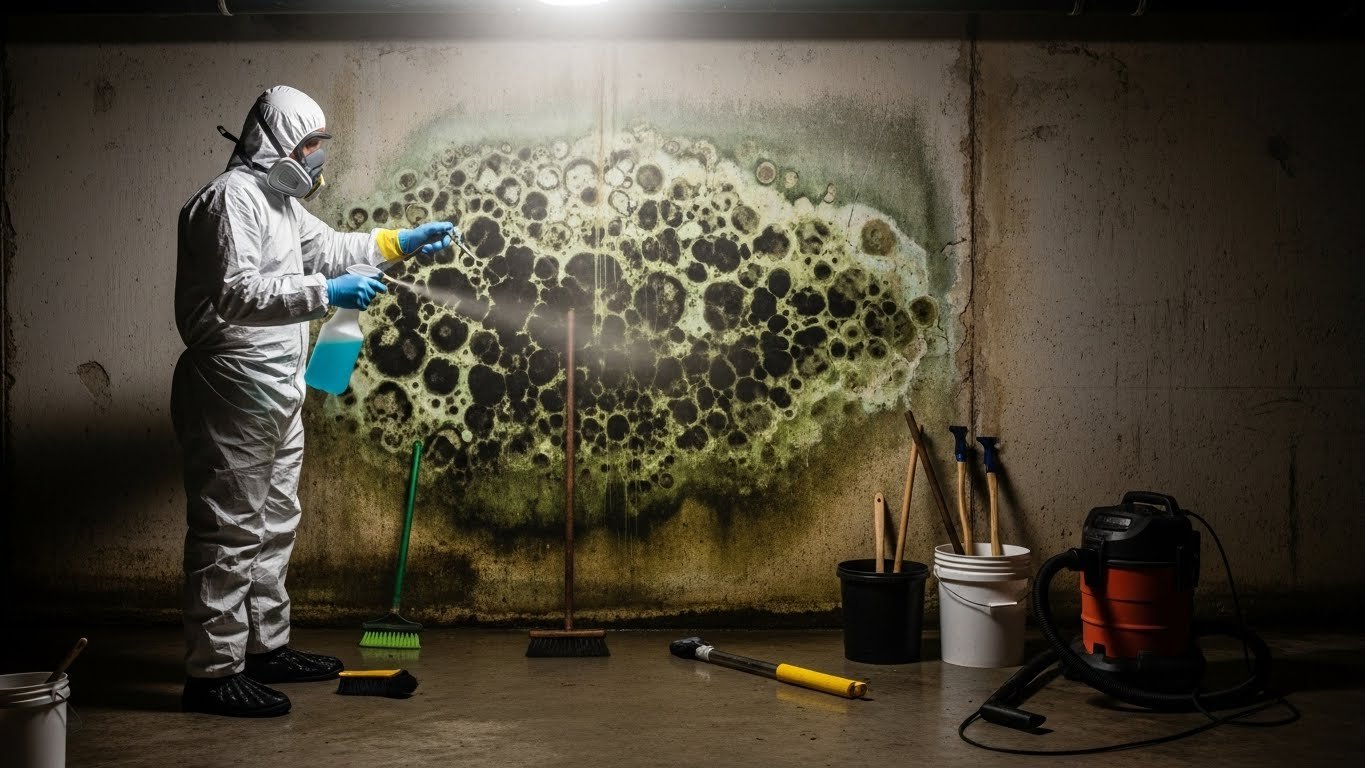
Mold is more than just an unsightly nuisance; it can pose serious health risks to you and your loved ones. Hidden in dark corners, damp basements, or behind drywall, mold thrives in moisture-rich environments. Its spores can easily spread through the air we breathe, leading to allergies, respiratory issues, and other ailments. As homeowners become increasingly aware of these dangers, the need for effective chlorine dioxide mold removal solutions has never been greater.
Among various options available today, chlorine dioxide stands out as a powerful agent against mold infestations. If you’re concerned about addressing a mold problem safely and efficiently without compromising your indoor air quality, you’re in the right place. This guide will take you through everything you need to know about using chlorine dioxide for mold removal—from understanding what it is to step-by-step instructions on its application. Let’s dive into this comprehensive approach for a healthier home!
What is Chlorine Dioxide?
Chlorine dioxide is a powerful chemical compound primarily known for its use as a disinfectant. Unlike chlorine, it doesn’t produce harmful byproducts when used in water treatment.
This yellowish gas has gained attention for its effectiveness against bacteria, viruses, and fungi. Its molecular formula is ClO₂, which indicates the presence of two oxygen atoms attached to a chlorine atom.
In various industries, chlorine dioxide is employed not just for sanitization but also in food processing and paper manufacturing. Its ability to penetrate biofilms helps achieve thorough cleaning where other agents might fail.
When used correctly, chlorine dioxide can be an effective solution for mold removal in homes and buildings. It acts swiftly while minimizing damage to surfaces compared to harsher chemicals.
How Does Chlorine Dioxide Remove Mold?
Chlorine dioxide works by targeting the mold spores and their structures directly. Its chemical composition allows it to penetrate cell walls effectively. Once inside, it disrupts metabolic processes.
This compound oxidizes organic material, breaking down the proteins that mold needs to thrive. As a result, the mold’s growth is inhibited or eliminated entirely.
The gas form of chlorine dioxide enables it to reach even hard-to-access areas like behind walls or in attics. It fills spaces with its vapor, ensuring thorough coverage.
Moreover, chlorine dioxide doesn’t just mask odors; it eradicates them at the source. By neutralizing harmful compounds released by mold, your space becomes safer and fresher.
This method stands out because it’s not only effective but also leaves minimal residue behind compared to other cleaning agents. The result is a cleaner environment without a lingering chemical aftertaste.
Advantages of Using Chlorine Dioxide Mold Removal
Chlorine dioxide mold removal offers several compelling advantages for homeowners. First, it is highly effective against various types of mold and mildew. Its unique chemical properties allow it to penetrate porous surfaces, ensuring a thorough clean.
Another significant benefit is its fast action. Unlike some traditional methods that take time to show results, chlorine dioxide works quickly, often eliminating visible mold in just hours.
Additionally, this solution is relatively safe when used correctly. It doesn’t leave harmful residues like many other chemicals do. This means you can breathe easier knowing your living space remains healthy after treatment.
Moreover, chlorine dioxide has the capability to deodorize areas affected by mold odors while killing spores at the same time. This dual-action makes it an attractive option for those dealing with persistent musty smells.
It’s versatile and can be applied in various settings—residential homes or commercial spaces alike—making it a practical choice for any mold issue.
Step-by-Step Guide to Using Chlorine Dioxide Mold Removal
Start by gathering your materials. You’ll need chlorine dioxide solution, a spray bottle, protective gear like gloves and goggles, and a mask to safeguard against fumes.
Prepare the area by removing any furniture or belongings nearby. Ensure good ventilation; open windows if possible. Safety first!
Dilute the chlorine dioxide according to manufacturer instructions for effective mold removal. This typically involves mixing with water in the spray bottle.
Spray the affected areas generously but avoid soaking surfaces too much. Focus on corners, ceilings, and hidden spots where mold tends to thrive.
Allow it to sit for at least 10 minutes. This gives the solution time to work its magic on stubborn spores.
After waiting, wipe down surfaces with a clean cloth or sponge. It’s essential to remove any residue left behind from cleaning.
Once done, dispose of cloths safely and ventilate again before reintroducing items into the space.
Safety Precautions and Tips
When working with chlorine dioxide for mold removal, safety should be your top priority. Always wear protective gear, including gloves and goggles. This prevents skin irritation and protects your eyes from splashes.
Ensure the area is well-ventilated. Open windows and doors to allow fresh air in while reducing concentrated fumes. If possible, use fans to increase airflow.
Be cautious about mixing substances. Never combine chlorine dioxide with other cleaning agents or chemicals, as this can create harmful reactions.
Keep pets and children away from the treatment area until it’s completely safe to return. Their health is just as important as yours.
Always follow product instructions carefully. Adhering to recommended dosages ensures effectiveness while minimizing risks associated with misuse.
Alternatives to Chlorine Dioxide
When considering alternatives to chlorine dioxide for mold removal, several options come to mind. Hydrogen peroxide is a popular choice; its antifungal properties make it effective against mold. It’s easy to find and can typically be used straight from the bottle.
Vinegar is another natural option. While not as potent as some chemical solutions, its acidity helps kill many types of mold when applied directly. Plus, it’s safe for most surfaces.
Boric acid offers a more aggressive approach but requires careful handling due to its toxicity in large amounts. Many homeowners appreciate its effectiveness on persistent mold problems.
For those preferring eco-friendly methods, essential oils like tea tree or lavender oil possess natural antifungal qualities that can help combat mildew without harsh chemicals. Each alternative has unique benefits and considerations, catering to diverse preferences and situations in tackling unwanted mold growth effectively.
Conclusion
Mold is not just an unsightly nuisance; it poses serious health risks and can damage your home. Understanding how to effectively remove it is crucial for maintaining a safe environment. Chlorine dioxide has emerged as a powerful ally in the battle against mold due to its effectiveness, speed, and safety when used correctly.
As you explore chlorine dioxide mold removal, remember that preparation and adherence to safety precautions are key. Following the step-by-step guide will enable you to tackle mold infestations effectively while minimizing potential hazards.
While other alternatives exist, none offer quite the combination of efficiency and thoroughness provided by chlorine dioxide. Armed with this knowledge, you’re now better equipped to handle any mold issues that may arise in your space. Stay vigilant about moisture control and air quality for ongoing protection against future outbreaks.
