

Nestled in the heart of a vibrant landscape lies Sagerne, a name that resonates with rich history and profound cultural significance. For those unfamiliar, Sagerne is more than just a geographical location; it embodies traditions that have shaped its community for generations. This captivating locale blends ancient customs with modern influences, creating a unique tapestry that intrigues both locals and visitors alike.
As we peel back the layers of its heritage, we invite you to embark on an exploration of its storied past and dynamic present. From time-honored rituals to lively celebrations, each aspect contributes to the essence of what it means to be part of this remarkable culture. Join us as we delve into the world of Sagerne—where every tradition tells a story and every event is steeped in meaning.
The Cultural Significance of Sagerne in Society
Sagerne holds a unique place in the tapestry of cultural heritage. It serves as a vital thread connecting generations through shared stories and practices. This tradition fosters community bonds, encouraging collaboration and understanding among its members.
At its core, Sagerne embodies values such as respect for nature, family ties, and collective responsibility. These principles resonate deeply with those who identify with this culture, influencing their daily lives and interactions.
Art forms like music and dance flourish within Sagerne communities, showcasing creativity that reflects historical narratives. Each performance is an opportunity to celebrate identity while preserving ancient wisdom passed down through generations.
As globalization sweeps across societies, the significance of Sagerne becomes even more pronounced. It acts as a counterbalance to modern distractions by grounding individuals in their roots and fostering appreciation for simplicity amidst chaos.
Sagerne Traditions and Customs
Sagerne traditions and customs are woven into the fabric of daily life. They reflect a rich heritage passed down through generations.
One prominent custom is the storytelling tradition. Elders recount tales that highlight moral lessons, history, and cultural values. These stories often come alive around communal fires during gatherings.
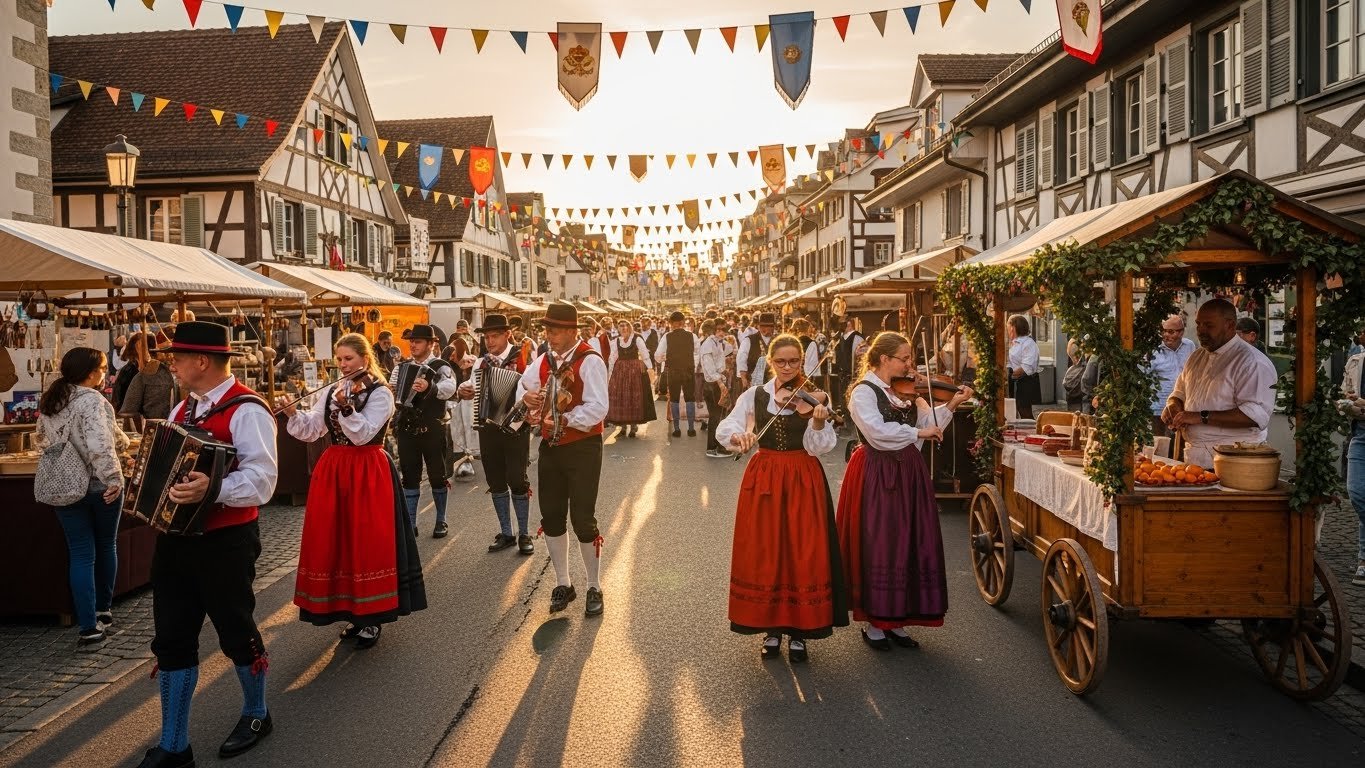
Festivals play a significant role too. During these celebrations, traditional dances and music resonate in vibrant displays of community spirit. Participants don colorful garments that represent their roots.
Food also holds an essential place in Sagerne culture. Unique dishes showcase local ingredients and family recipes, creating bonds among those who share meals together.
Handicrafts are another cherished aspect of Sagerne customs. Artisans create intricate pottery or textiles that tell stories of their ancestors’ lives and beliefs, blending artistry with function.
These practices not only preserve identity but also foster connection within the community. They remind everyone of their shared past while looking toward future possibilities.
Impact of Modernization on Sagerne Culture
Modernization has woven itself intricately into the fabric of Sagerne culture. As technology advances, traditional practices face new challenges and opportunities.
Younger generations are increasingly drawn to urban centers in search of better prospects. This migration can dilute age-old customs, as fewer people remain to pass them down.
However, modernization also brings a chance for revitalization. Digital platforms enable cultural exchange and awareness like never before. Artisans showcase their crafts online, reaching wider audiences.
Social media allows Sagerne voices to be heard beyond local borders. It fosters pride in heritage while blending contemporary influences with time-honored traditions.
Yet, there’s a delicate balance to maintain. Embracing modernity should not come at the expense of authenticity or identity. The challenge lies in integrating innovation without losing the essence that defines Sagerne culture.
Celebrating Sagerne Heritage: Festivals and Events
Sagerne heritage comes alive during its vibrant festivals and events. These celebrations are steeped in history, showcasing the rich traditions that define Sagerne culture.
One of the most anticipated occasions is the annual it Festival. This gathering attracts locals and visitors alike, offering an array of performances, art displays, and culinary delights. It’s a time when communities unite to honor their roots.
Another highlight is the Harvest Celebration, where age-old customs are practiced under autumn skies. Families come together to share stories while enjoying traditional foods that have been passed down through generations.
Cultural workshops also play a vital role in these festivities. They provide opportunities for younger generations to learn crafts and music integral to Sagerne identity. Each event fosters connections among community members while ensuring that cherished traditions endure through time.
Misconceptions and Stereotypes
Sagerne often faces a slew of misconceptions that distort its rich identity. Many people mistakenly view it as a monolithic culture, overlooking the diversity within its traditions and practices.
This oversimplification can lead to stereotypes that fail to capture the vibrant tapestry of Sagerne life. For instance, some assume all aspects of Sagerne are steeped in ancient customs, ignoring contemporary influences shaping its evolution.
Another common stereotype is the notion that Sagerne lacks relevance today. In reality, many individuals actively engage with their heritage while adapting it to modern contexts.
These misunderstandings not only diminish the unique characteristics of it but also hinder appreciation for its contributions to broader society. Engaging with authentic voices from within the community is essential for breaking down these barriers and fostering genuine understanding.
Preserving and Promoting Sagerne Culture for Future Generations
Preserving Sagerne culture is crucial for ensuring its vibrancy in the future. Engaging younger generations through education can ignite a passion for their heritage. Schools and community centers play a pivotal role by incorporating traditional arts, crafts, and stories into curricula.
Local artisans also contribute significantly. Workshops that teach skills like weaving or pottery help keep age-old practices alive. This hands-on experience fosters appreciation and respect for cultural roots.
Social media has emerged as an effective tool to promote Sagerne traditions globally. Sharing stories online connects individuals from different backgrounds while celebrating unique customs.
Community events serve as platforms where families gather to showcase music, dance, and cuisine. These gatherings strengthen bonds while inviting curiosity about it rich history.
Collaborations with organizations focused on cultural preservation can amplify efforts. Together, they can create resources that educate others about the significance of Sagerne culture in today’s world.
Conclusion
Sagerne stands as a vibrant testament to the rich tapestry of cultural identity. Its history reflects resilience and adaptability, while its traditions and customs serve as a bridge between generations. As modernization continues to shape societies around the globe, it faces both challenges and opportunities in preserving its unique essence.
Festivals celebrating Sagerne heritage not only bring communities together but also educate outsiders about this fascinating culture. However, misconceptions persist, often overshadowing its true depth and significance.
Efforts to promote and preserve Sagerne culture are essential for ensuring that future generations can experience the beauty of these traditions. Embracing innovation while honoring the past may be key in navigating the modern landscape without losing sight of what makes it special.
Understanding Sagerne is not just about learning history; it’s an invitation to appreciate diversity within our world. Through awareness and appreciation, we contribute towards keeping cultures like Sagerne alive for years to come.
