

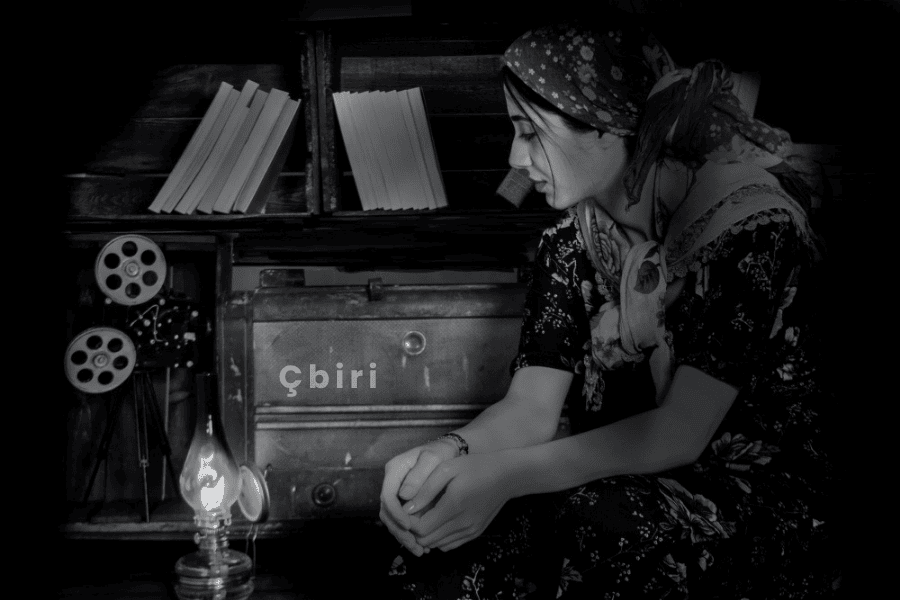
Have you ever come across the word çbiri and wondered what it means or where it comes from? You’re not alone. This unusual-looking term has sparked curiosity online, especially among language enthusiasts and cultural explorers.
In this guide, we’ll break down the meaning, origins, and context of çbiri exploring how it appears in modern use, possible linguistic roots, and why it’s becoming a search trend. Whether you stumbled on it through social media or a song lyric, this article will give you a complete, practical understanding.
What Does “Çbiri” Mean?
The term çbiri doesn’t have a fixed meaning in standard English or Turkish dictionaries, but its structure and phonetics suggest it’s derived from Albanian. In Albanian, this is related to the word çbëj (to undo, unmake, or reverse).
So, çbiri can loosely translate to:
-
Undoing or reversing something
-
The act of being undone
-
An unmaking or unraveling process
In short, this expresses the concept of something being undone whether emotionally, spiritually, or physically.
Origins and Linguistic Background
The prefix “ç-” in Albanian often means “un-” or “de-” (similar to English). For example:
-
çmontoj = dismantle
-
çarmatos = disarm
-
çbëj = undo
The root “biri” in Albanian means the son or offspring. When combined, çbiri becomes a poetic or symbolic expression almost like “the un-son” or “one who is undone.”
This dual-layered meaning is part of what makes this fascinating: it bridges literal and metaphorical language, giving it depth in cultural and artistic contexts.
How Çbiri Appears in Modern Usage
Today, çbiri is occasionally found in:
-
Contemporary Albanian poetry and music – as a metaphor for loss, identity, or transformation.
-
Online discussions – especially in linguistic or cultural forums exploring Balkan languages.
-
Art and philosophy contexts – symbolizing the unraveling of self or social order.
For example, an Albanian poem might include:
“Në çbiri të shpirtit tim gjeta paqe.”
(“In the unmaking of my soul, I found peace.”)
This shows how this conveys deep emotional layers not just a literal “undoing,” but a kind of rebirth through transformation.
Cultural and Symbolic Interpretations
In Albanian and broader Balkan culture, words that include the ç- prefix often carry symbolic weight. Çbiri can represent:
-
Healing through destruction – letting go of what no longer serves you.
-
Return to origins – unmaking to rediscover authenticity.
-
Resistance to conformity – refusing to stay “made” by society’s standards.
These interpretations give a unique place in modern creative language especially in songs, film dialogues, and literature.
Why Çbiri Matters Today
Understanding terms like çbiri helps you see how language evolves with culture. In a globalized world, unique words like this spread beyond borders, often used to describe emotions or ideas that English doesn’t fully capture.
It’s part of a wider linguistic trend: people turning to minority or poetic languages to express depth, nuance, and authenticity. Just like the Japanese concept wabi-sabi or Portuguese saudade, this adds a rich emotional color to modern expression.
Examples of Çbiri in Sentences
Here are a few examples to help you use or recognize in the context:
-
“Ai po kërkon çbirin e vet.” → He’s searching for his undoing (or self-reversal).
-
“Dashuria është çbiri i frikës.” → Love is the unmaking of fear.
-
“Në çbiri, fillon rilindja.” → In unmaking, rebirth begins.
FAQs
Q: Is çbiri a common word in Albanian?
A: No, it’s relatively rare and mostly used in poetry, art, or symbolic writing.
Q: Does çbiri have an English equivalent?
A: Not exactly. “Undoing” or “unmaking” come close but miss its emotional or spiritual connotation.
Q: Can I use çbiri in English writing?
A: Yes, especially in creative or philosophical pieces. It adds a foreign yet expressive tone.
Q: Is çbiri used in everyday speech?
A: Rarely. You’ll find it more in artistic or literary contexts.
Q: What makes çbiri unique linguistically?
A: It combines two deep-rooted Albanian elements (ç- and biri), creating layered meanings beyond direct translation.
Conclusion
The beauty of çbiri lies in its paradox that to become whole, sometimes you must first be undone. It’s more than a word; it’s a philosophy of transformation and acceptance.
So next time you come across remember: it represents both ending and beginning, unraveling and rebirth.
If you’re exploring Albanian culture, language, or poetic expressions, this is one word worth remembering it embodies what it means to be human in transition.
