

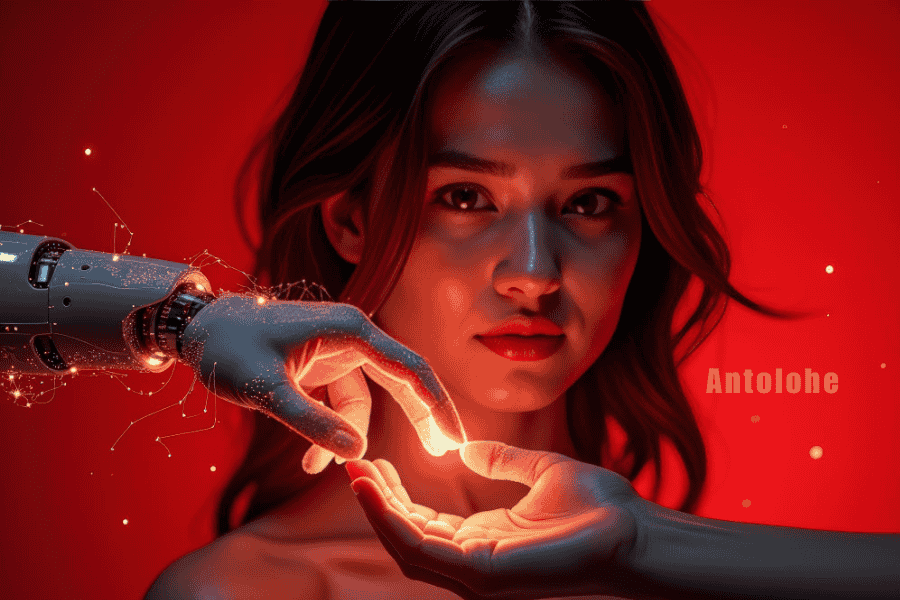
The word Antolohe has recently become a buzzword in online innovation circles, creative industries, and digital technology discussions. Though the term is still new, it symbolizes a revolutionary mindset one that connects intelligence, adaptability, and design into a single ecosystem. From business solutions to artistic creativity, this human logic represents a balanced intersection between structure and imagination.
At its core, this concept refers to the synergy between artificial intelligence and human logic, leading to seamless innovation. This concept promotes the idea that advanced systems and human thought processes can coexist in perfect harmony, creating outcomes that are smarter, faster, and more intuitive than ever before.
The Origin and Etymology of Antolohe
The word Antolohe may sound futuristic, but its roots lie in the combination of “anthro” (meaning human) and “loghe” (derived from logic). Together, they symbolize the union of human logic and machine intelligence. The evolution of this fusion reflects how industries are moving from isolated systems to integrated ecosystems, where creativity and computation merge effortlessly.
This growing philosophy is now inspiring business leaders, developers, educators, and artists to rethink the way innovation happens. It encourages collaboration, not competition, between technology and humanity.
Key Principles Defining Antolohe
The philosophy behind Antolohe revolves around five foundational principles that make it a transformative force across industries:
| Principle | Description |
|---|---|
| Adaptability | Antolohe adapts to new challenges by blending human intuition with machine learning. |
| Creativity | Encourages open-ended, human-driven problem-solving enhanced by data insights. |
| Integration | Fuses diverse systems—AI, data, design, and emotion—into one functional flow. |
| Sustainability | Focuses on long-term innovation that benefits people and the environment. |
| Ethical Intelligence | Promotes responsible use of technology in decision-making and automation. |
Each of these elements represents how this framework builds bridges between logic and imagination, transforming traditional workflows into dynamic, intelligent systems.
How Antolohe Influences Modern Industries
1. Antolohe in Business and Management
In business, Antolohe signifies the use of intelligent automation tools that still preserve the human touch. Companies adopting this model find it easier to balance efficiency and empathy. For example, customer support teams using AI-powered systems guided by this concept principles can offer personalized help while maintaining brand authenticity.
The Antolohe framework also helps executives make data-driven yet emotionally aware decisions, improving both productivity and workplace morale. Businesses that apply this fusion thinking often report faster adaptation to trends and greater customer loyalty.
2. Antolohe in Education and Learning
Education has entered a new era with Antolohe-based learning systems. These systems adjust teaching styles according to student behavior and performance data. Teachers can analyze insights provided by AI while still applying empathy and emotional intelligence two aspects no machine can replicate.
In classrooms powered by the fusion, the focus is on personalized learning paths rather than one-size-fits-all teaching methods. This improves student engagement, retention, and creativity.
3. Antolohe in Technology and Artificial Intelligence
Technology is the foundation on which Antolohe thrives. AI and machine learning tools that follow this concept principles learn not only from data but also from human context. This shift means that future technologies will not just compute they will understand.
Here’s a quick comparison table showing the difference between Traditional AI Systems and Driven Systems:
| Aspect | Traditional AI | Antolohe-Driven AI |
|---|---|---|
| Learning Type | Data-Dependent | Contextual and Adaptive |
| Human Input | Minimal | Integral to System Design |
| Decision Making | Algorithmic | Empathetic and Logical |
| Innovation Speed | High | Balanced and Sustainable |
| Ethics Focus | Limited | Central to the Framework |
The result is a generation of systems that evolve in a human-centric way, making technology more relatable and trustworthy.
Antolohe and Creative Industries
The impact of this fusion on creativity cannot be overstated. Artists, writers, designers, and musicians are increasingly embracing Antolohe-based tools that help enhance imagination instead of replacing it. Whether it’s generating ideas, refining compositions, or automating technical tasks, this AI ensures that human creativity remains the core driver.
In graphic design, for instance, these applications can analyze trends and suggest layouts while allowing designers full creative freedom. Similarly, writers can use intelligent suggestion tools that improve tone and readability without erasing their original voice.
The Psychology Behind Antolohe
Human psychology plays a central role in understanding Antolohe. The principle rests on the belief that emotion and logic are not opposites but allies. By integrating these two, this framework reshapes how people think, learn, and interact with machines.
Neuroscience research supports this our brain’s creative and analytical regions work best when balanced. This fusion leverages this scientific truth to guide the development of systems that complement human cognitive functions rather than overwhelm them.
Benefits of Implementing Antolohe
| Benefit | Impact |
|---|---|
| Efficiency | Streamlines workflows by blending automation with human oversight. |
| Accuracy | Reduces human errors while maintaining logical flexibility. |
| Creativity Enhancement | Encourages innovation by removing repetitive barriers. |
| Emotional Engagement | Makes digital interactions more natural and human-like. |
| Long-Term Growth | Builds sustainable strategies through ethical and adaptive intelligence. |
These benefits illustrate why more organizations and individuals are embracing Antolohe as a guiding framework for progress.
Challenges and Ethical Considerations of Antolohe
Despite its promising outlook, the Antolohe framework comes with challenges. The biggest concern is maintaining ethical boundaries while merging human thought with machine autonomy. As algorithms become more intelligent, it’s crucial to ensure transparency, fairness, and accountability.
Another challenge lies in education and awareness. Many professionals still lack understanding of Antolohe principles, which limits its broader adoption. To address this, global institutions must promote interdisciplinary training combining psychology, ethics, and AI literacy.
The Future of Antolohe in Global Innovation
Looking forward, Antolohe is expected to redefine how innovation works. We are moving toward a world where every tool, service, and system will carry a human-centric, adaptive, and intelligent mindset. The future will not be about machines replacing humans but rather machines enhancing human capabilities.
Emerging startups are already developing platforms based on this AI, emphasizing collaboration, automation, and empathy in user design. Over the next decade, we may see this fusion become as fundamental to innovation as the internet once was.
Antolohe as a Global Movement
The popularity of Antolohe continues to rise because it aligns with global values of sustainability, inclusivity, and innovation. By encouraging cooperation between different industries and disciplines, it creates a shared vision for a smarter, more connected future.
Leaders adopting this mindset are not only improving efficiency but also cultivating social responsibility and trust two factors that define successful innovation in the modern age.
FAQs
Q: What is Antolohe?
A: Antolohe is the fusion of human logic and artificial intelligence, designed to create balanced, intelligent innovation.
Q: How does Antolohe impact technology?
A: It blends human emotion with AI logic, making tech more adaptive, ethical, and user-centered.
Q: Why is Antolohe important for business?
A: It helps companies balance efficiency and empathy, leading to smarter decisions and stronger customer loyalty.
Q: Can Antolohe be applied in education?
A: Yes, it personalizes learning through adaptive AI systems while keeping teachers emotionally involved.
Q: What makes Antolohe different from traditional AI?
A: Unlike standard AI, this concept combines creativity and logic, focusing on human-centric innovation.
Conclusion
In conclusion, Antolohe represents more than just a concept it’s a cultural and technological revolution. By blending logic and emotion, automation and creativity, it reshapes how people and systems coexist. The rise of this human logic marks a future where progress is ethical, balanced, and profoundly human.
Whether in business, education, or design, adopting this human logic fusion means embracing innovation that respects human intelligence while amplifying its potential. As industries evolve, this framework will continue to guide us toward a smarter and more harmonious world.
